
Essential Flower Gardening Tips for Beginners
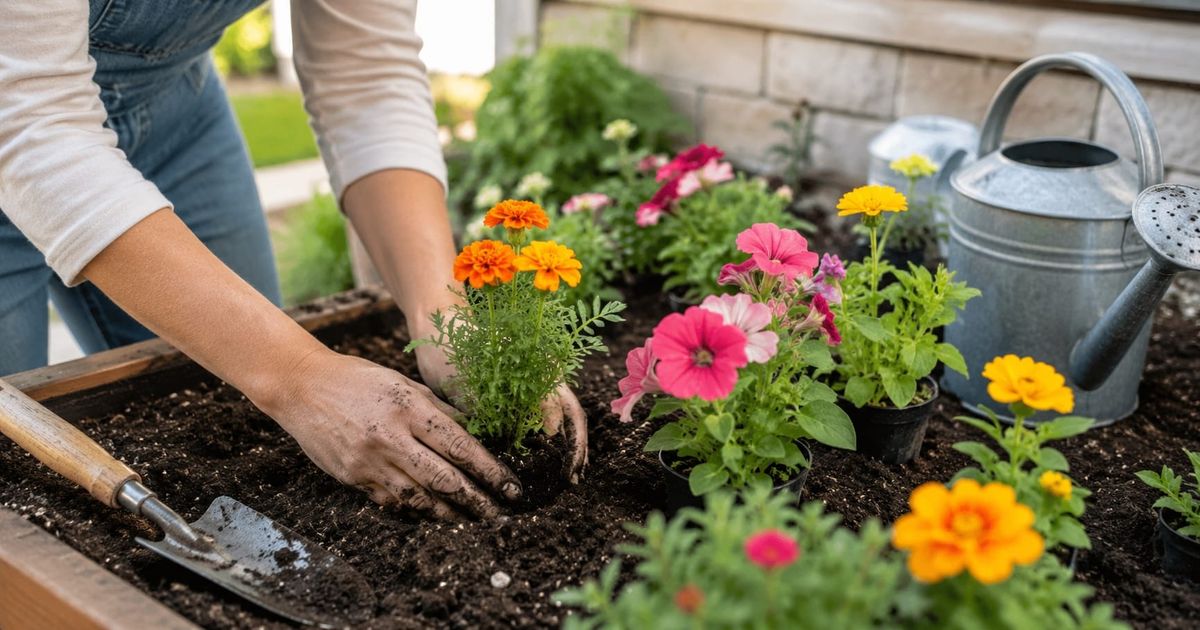
Starting a flower garden can feel overwhelming at first, especially when every plant seems to have different needs. The good news is that most successful gardens are built on a few simple habits: choosing the right flowers, preparing healthy soil, watering consistently, and paying attention to sunlight.
The first step is to understand your growing conditions. Before buying seeds or young plants, watch how much sun your garden receives during the day. Many popular flowering plants need at least six hours of direct sunlight, while others prefer partial shade. Matching flowers to the right location prevents weak stems, poor blooming, and unnecessary plant stress.
Soil quality is just as important as sunlight. Flowers grow best in soil that drains well but still holds enough moisture for the roots. Adding compost or organic matter can improve texture, support beneficial microbes, and help plants establish stronger root systems. If your soil feels heavy and compacted, loosen it before planting and avoid watering too heavily.
Watering is another common challenge for beginners. Instead of watering a little every day, it is usually better to water deeply and less often. This encourages roots to grow downward, making plants more resilient during warm weather. Try to water near the base of each plant rather than soaking the leaves, since wet foliage can encourage disease.
Choosing beginner-friendly flowers can also make the experience much easier. Marigolds, zinnias, cosmos, pansies, petunias, and nasturtiums are popular options because they are colorful, reliable, and relatively forgiving. For more detailed flower profiles and garden inspiration, visit The Flower Expert.
Mulching around your flowers can help keep the soil moist, reduce weeds, and protect shallow roots from temperature changes. A thin layer of organic mulch is usually enough. Avoid piling mulch directly against the stems, as this can trap moisture and lead to rot.
Finally, remember that flower gardening improves with observation. Check your plants regularly for yellowing leaves, dry soil, pests, or faded blooms. Removing spent flowers, also called deadheading, can encourage many plants to produce more blooms throughout the season.
A beautiful flower garden does not need to be complicated. Start with a few reliable varieties, give them the right light and soil, and build your confidence one season at a time.